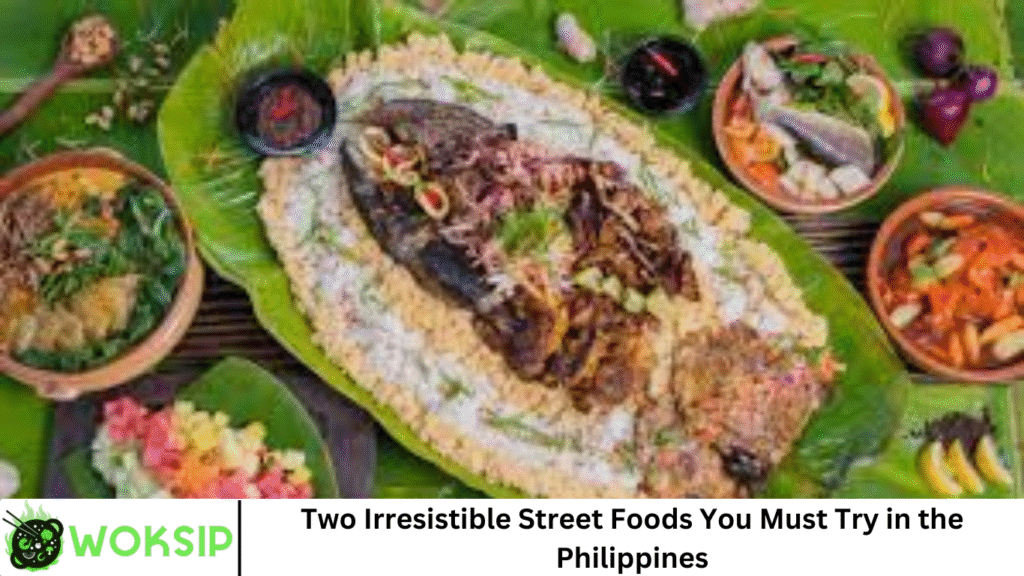
The Philippines is a vibrant country known for its rich culture, stunning landscapes, and, most importantly, its mouthwatering food. Filipino cuisine is a blend of indigenous flavors, Spanish influences, and other Asian culinary traditions, creating a unique and diverse gastronomic experience.
One of the best ways to taste the authentic flavors of the Philippines is through its street food scene — where you can find an array of irresistible dishes that are as affordable as they are delicious.
We will explore two of the most iconic and irresistible Filipino street foods that you absolutely must try when visiting the Philippines. From the sizzling skewers on the roadside to the sweet and crunchy treats that brighten up any afternoon, these dishes capture the heart and soul of Filipino street food culture.
More Read: Savor Bangkok: The Ultimate Guide to Thai Street Food Delights
Why Filipino Street Food?
Before diving into our top picks, it’s important to understand why Filipino street food is such an essential part of the country’s culinary identity.
Street food in the Philippines is more than just snacks — it’s a reflection of the everyday life of Filipinos. From busy markets to bustling city streets, street vendors offer quick, flavorful bites that suit the Filipino palate. The affordability, accessibility, and variety make street food a beloved dining option for locals and tourists alike.
Moreover, Filipino street food is known for its bold and vibrant flavors. Combining sweet, salty, sour, and savory elements, these foods provide an explosion of taste in every bite. They are typically prepared fresh, grilled, fried, or skewered and served with flavorful dipping sauces that enhance their deliciousness.
1. Isaw (Grilled Chicken or Pork Intestines)
If you’re adventurous with food, you cannot miss Isaw — a quintessential Filipino street food that has garnered a cult following for its unique texture and flavor. Isaw refers to grilled chicken or pork intestines, marinated and cooked over hot charcoal, served skewered on bamboo sticks.
What is Isaw?
Isaw is essentially barbecued intestines, cleaned thoroughly, marinated in a mixture of soy sauce, vinegar, garlic, and spices, then grilled until crispy on the outside but tender on the inside. The process of grilling adds a smoky flavor that perfectly complements the marinade’s tangy and savory notes.
Why Try Isaw?
While it may sound intimidating to the uninitiated, Isaw is beloved by Filipinos and adventurous food lovers worldwide. Its unique chewy yet crispy texture paired with the sweet and sour dipping sauces makes it a must-try. It’s the perfect street food snack to enjoy with friends while exploring the city.
Where to Find Isaw
You can find Isaw in virtually every street corner in the Philippines, especially in busy urban areas like Manila, Cebu, and Davao. Night markets and food stalls often serve Isaw alongside other popular grilled street foods.
How is Isaw Served?
Typically, Isaw is served hot on bamboo skewers and accompanied by a side of vinegar-based dipping sauce, sometimes mixed with chili and garlic for an extra kick. The vinegar cuts through the richness of the intestines, balancing the flavors.
Tips for Trying Isaw
- Make sure the vendor cleans the intestines properly — hygiene is crucial.
- Don’t hesitate to try Isaw with chili vinegar for an authentic taste.
- Pair your Isaw with cold soft drinks or local beers for a complete street food experience.
2. Kwek-Kwek (Deep-Fried Quail Eggs)
Another iconic Filipino street food that you absolutely must try is Kwek-Kwek. This popular snack consists of quail eggs coated in an orange-tinted batter, deep-fried to golden perfection, and served with a variety of dipping sauces.
What is Kwek-Kwek?
Kwek-Kwek is made by boiling quail eggs, then dipping them in an orange batter made from flour, cornstarch, and annatto (which gives it the bright color). These battered eggs are deep-fried until crispy on the outside and soft on the inside.
Why Try Kwek-Kwek?
Kwek-Kwek’s crispy exterior and creamy egg center create a delightful contrast of textures that is both addictive and satisfying. Its vibrant color and delicious taste make it a favorite among kids and adults alike. It’s a perfect grab-and-go snack to enjoy on the streets.
Where to Find Kwek-Kwek
Kwek-Kwek is commonly sold in food stalls, especially near schools, markets, and busy pedestrian areas. Vendors usually display their colorful eggs on trays, attracting passersby with the irresistible aroma of freshly fried batter.
How is Kwek-Kwek Served?
Kwek-Kwek is traditionally served with a sweet and tangy dipping sauce called spicy vinegar (suka) or a thick, sweet, and spicy sauce made with flour, sugar, vinegar, and chili. Some vendors also offer ketchup or mayonnaise as alternative dips.
Tips for Trying Kwek-Kwek
- Try the dipping sauce combos to find your favorite flavor pairing.
- Eat Kwek-Kwek while it’s hot to enjoy the crispy texture.
- Pair it with other street food favorites like fish balls or banana cue for a filling snack.
Other Popular Filipino Street Foods to Explore
While Isaw and Kwek-Kwek are two of the most irresistible street foods, the Philippines boasts a variety of other delicious snacks worth trying:
- Balut — fertilized duck egg with a partially developed embryo, a famous Filipino delicacy.
- Fish Balls — deep-fried fish meatballs served with various dipping sauces.
- Banana Cue — deep-fried bananas coated in caramelized brown sugar.
- Turon — banana spring rolls with jackfruit, fried and coated in caramelized sugar.
Health and Safety Tips When Enjoying Filipino Street Food
While street food is a must-try cultural experience, it’s essential to keep these tips in mind for a safe and enjoyable adventure:
- Choose vendors with a high turnover of customers to ensure freshness.
- Observe hygiene practices — vendors should use clean utensils and gloves.
- Start with small portions to test your tolerance to unfamiliar flavors.
- Drink bottled water or beverages from sealed containers.
Why You Should Experience Filipino Street Food
Trying street food in the Philippines isn’t just about the flavors — it’s about immersing yourself in Filipino culture. Each bite tells a story of tradition, innovation, and community. Street food vendors are often friendly and proud to share their craft, making your food experience more personal and memorable.
Moreover, street food allows you to taste authentic Filipino flavors at a fraction of the cost of dining in restaurants. It’s an affordable way to explore the country’s diverse culinary landscape.
Frequently Asked Question
What are Isaw and Kwek-Kwek?
Isaw is a popular Filipino street food made from grilled chicken or pork intestines that are marinated, skewered, and cooked over charcoal.
Kwek-Kwek consists of boiled quail eggs dipped in orange batter and deep-fried until crispy.
Are Isaw and Kwek-Kwek safe to eat?
Yes — if prepared and cooked properly by clean and reputable vendors, both are safe to eat. For Isaw, the intestines must be thoroughly cleaned and fully grilled. Always choose stalls with good hygiene practices and a steady flow of customers.
What do Isaw and Kwek-Kwek taste like?
- Isaw has a smoky, savory flavor with a slightly chewy texture. The marinade and grilling process give it a rich, umami taste.
- Kwek-Kwek has a crispy exterior and a soft, creamy egg center. The batter is mildly flavored, often enhanced with sweet, spicy, or sour dipping sauces.
Where can I find these street foods in the Philippines?
You can find Isaw and Kwek-Kwek in:
- Night markets (e.g., Mercato Centrale, Banchetto)
- Local food stalls near schools, public terminals, and marketplaces
- Sidewalk vendors in urban areas like Manila, Cebu, and Davao
What sauces are served with Isaw and Kwek-Kwek?
- Isaw is usually dipped in spiced vinegar or soy sauce with chili and onions.
- Kwek-Kwek is often served with three choices: sweet/spicy thick sauce, vinegar with chili, or banana ketchup.
Can vegetarians or vegans enjoy Filipino street food?
Most traditional street foods like Isaw and Kwek-Kwek are meat- or egg-based, so they are not suitable for vegetarians or vegans. However, some stalls offer plant-based alternatives like fried tofu, vegetable lumpia, or grilled corn.
How much do Isaw and Kwek-Kwek typically cost?
They are very affordable:
- Isaw usually costs around PHP 5–15 per stick (approx. \$0.10–\$0.30 USD).
- Kwek-Kwek is commonly sold in sets of 3–5 pieces for PHP 10–25 (approx. \$0.20–\$0.50 USD).
Conclusion
Filipino street food offers a delicious gateway into the country’s rich food heritage, and Isaw and Kwek-Kwek stand out as two of the most irresistible options you must try. Whether you’re craving something savory and smoky or crispy and flavorful, these street foods promise an unforgettable taste adventure. Next time you visit the Philippines, be sure to hunt down these iconic dishes and savor the vibrant street food culture that makes the Filipino food scene truly one of a kind.