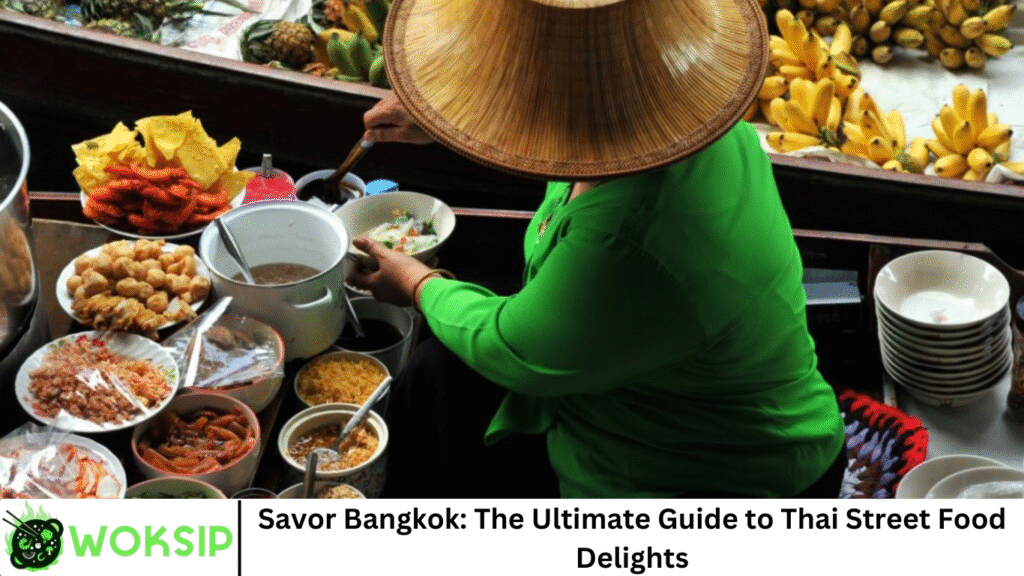
Bangkok, Thailand’s bustling capital, is renowned for its vibrant street food culture. The city’s streets come alive with an intoxicating blend of aromas, sizzling sounds, and colorful sights that beckon food lovers from all over the world. If you’re a traveler or a foodie eager to experience authentic Thai cuisine, Bangkok’s street food scene is an unmissable adventure.
In this ultimate guide, you’ll discover the best street food dishes, iconic markets, tips for eating safely, and insider secrets to savoring the rich flavors that make Bangkok a top destination for culinary exploration.
More Read: 15 Must-Try Street Foods from Around the World
Why Bangkok is a Street Food Paradise
Bangkok’s street food culture is woven into the fabric of daily life. Unlike many cities where street food might be a late-night option, here it’s an all-day affair. Early mornings see vendors selling fresh breakfast items, while evenings bring a kaleidoscope of options, from savory grilled skewers to sweet desserts.
The affordability, variety, and convenience of street food have made it a beloved choice among locals and tourists alike. But more than just sustenance, street food in Bangkok is a vibrant cultural experience that reflects the city’s history, traditions, and community spirit.
Must-Try Thai Street Food Dishes in Bangkok
1. Pad Thai (ผัดไทย)
No visit to Bangkok is complete without tasting Pad Thai—the iconic stir-fried noodle dish. Made with rice noodles, eggs, tofu, shrimp or chicken, peanuts, bean sprouts, and tamarind sauce, this dish balances sweet, sour, and savory flavors perfectly. Street vendors cook it fresh on a blazing wok, offering a crispy yet tender bite.
Tip: Look for stalls busy with locals—it’s a good sign of authenticity and freshness.
2. Som Tum (ส้มตำ) – Spicy Green Papaya Salad
Som Tum is a spicy, tangy, and refreshing salad made from shredded green papaya, tomatoes, chilies, garlic, fish sauce, lime juice, and peanuts. It’s often served alongside sticky rice and grilled chicken (Gai Yang), making it a perfect combo for a light yet flavorful meal.
Why it’s special: The balance of sour, spicy, salty, and sweet flavors is a hallmark of Thai cuisine.
3. Moo Ping (หมูปิ้ง) – Grilled Pork Skewers
Moo Ping are succulent grilled pork skewers marinated in a mixture of garlic, coriander roots, soy sauce, and palm sugar, then charred over charcoal for a smoky aroma. They’re commonly sold as quick snacks or light meals.
Pro tip: Pair Moo Ping with sticky rice and a spicy dipping sauce for an authentic taste.
4. Tom Yum Goong (ต้มยำกุ้ง) – Spicy Shrimp Soup
This famous hot and sour soup combines shrimp, lemongrass, kaffir lime leaves, galangal, and chilies in a fragrant broth. Street stalls often serve Tom Yum Goong piping hot, perfect for warming up your palate with its bold, zesty flavors.
5. Khao Niew Ma Muang (ข้าวเหนียวมะม่วง) – Mango Sticky Rice
For dessert, mango sticky rice is a must-try. Sweet ripe mango is paired with creamy coconut sticky rice and drizzled with coconut sauce, creating a harmonious blend of textures and flavors that epitomizes Thai sweets.
Best Street Food Markets in Bangkok
1. Yaowarat (Chinatown)
Yaowarat is the epicenter of Bangkok’s street food scene. By night, the streets transform into a bustling food paradise where vendors serve everything from grilled seafood and noodle soups to exotic desserts.
Highlight: Try the famous grilled river prawns or fresh oyster omelets.
2. Chatuchak Weekend Market
While known mainly for shopping, Chatuchak also boasts an impressive array of street food stalls offering everything from Thai iced tea to spicy salads and grilled meats.
Tip: Come hungry and try small portions from multiple vendors to sample more flavors.
3. Ratchada Train Night Market
Popular among locals and tourists, Ratchada Night Market features vibrant stalls selling a mix of traditional Thai dishes and creative street food innovations. The lively atmosphere and affordable prices make it a favorite spot.
4. Soi Rambuttri and Khao San Road
For backpackers and budget travelers, these areas offer a great street food selection with easy access to famous dishes like Pad Kra Pao (stir-fried basil with meat) and various fried snacks.
Tips for Eating Street Food Safely in Bangkok
- Choose Busy Stalls: Vendors with long lines usually have fresher food and faster turnover.
- Watch Food Preparation: Cleanliness is key. Observe if the vendor uses gloves, clean utensils, and cooks food freshly to order.
- Start Small: If you’re not used to spicy food, request mild versions to avoid discomfort.
- Stay Hydrated: Drink plenty of bottled water or Thai iced tea to balance the spices.
- Trust Your Instincts: If something doesn’t look or smell right, it’s best to move on to another stall.
Cultural Insights into Bangkok Street Food
Eating street food in Bangkok is not just about flavors—it’s an immersive cultural journey. Vendors often prepare family recipes passed down through generations. The social aspect is also important: sharing tables with strangers, bargaining politely, and savoring dishes while watching the city’s rhythms unfold around you.
How to Explore Bangkok’s Street Food Like a Local
- Join a Food Tour: Guided food tours offer curated experiences with background stories and hidden gems.
- Learn Basic Thai Food Terms: Knowing words like “not spicy” (mai phet) or “no peanuts” (mai sai dtua-má) helps customize your meal.
- Visit Markets Early or Late: Early mornings have breakfast treats; late evenings offer the best night market vibes.
- Try Seasonal Ingredients: Thai street food changes with the seasons, so keep an eye out for fresh fruits and local specialties.
Beyond Bangkok: Regional Street Food You Should Try in Thailand
If your travels extend beyond Bangkok, don’t miss regional street food variations. From Chiang Mai’s Khao Soi (curried noodle soup) to southern Thailand’s spicy seafood, each area has unique flavors influenced by local ingredients and traditions.
Frequently Asked Question
What is the best time to explore street food in Bangkok?
The best times to explore Bangkok’s street food are early morning (6 AM–9 AM) and evening (6 PM–11 PM). Morning stalls often serve traditional Thai breakfasts, while evenings come alive with bustling night markets and diverse food choices. Late-night eats are also popular in areas like Chinatown and Ratchada Train Market.
Is Bangkok street food safe to eat for tourists?
Yes, Bangkok street food is generally safe if you follow a few simple tips: choose busy stalls with high turnover, watch how food is prepared, and avoid raw or undercooked items. Drinking bottled water and carrying hand sanitizer also helps prevent stomach issues.
What are the must-try Thai street food dishes in Bangkok?
Don’t miss these iconic dishes:
- Pad Thai (stir-fried noodles)
- Som Tum (spicy green papaya salad)
- Moo Ping (grilled pork skewers)
- Tom Yum Goong (spicy shrimp soup)
- Khao Niew Ma Muang (mango sticky rice)
These dishes represent the bold, balanced flavors Thai cuisine is famous for.
Where can I find the best street food in Bangkok?
Top street food spots in Bangkok include:
- Yaowarat Road (Chinatown) – seafood and sweets
- Ratchada Train Market – trendy and diverse options
- Chatuchak Weekend Market – massive variety
- Soi Rambuttri & Khao San Road – backpacker-friendly eats
- Victory Monument – known for legendary boat noodles
How much does street food cost in Bangkok?
Street food in Bangkok is incredibly affordable. Most dishes range from 30 to 100 THB (\$1–\$3 USD), depending on the type and location. Premium seafood or trendy fusion stalls may charge more, but overall, you can enjoy a full meal for under \$5 USD.
Are vegetarian or vegan street food options available in Bangkok?
Yes, Bangkok offers many vegetarian and vegan street food choices. Look for dishes like Pad Thai Jay (vegetarian), mushroom skewers, vegetable spring rolls, and tofu stir-fries. The annual Vegetarian Festival in Bangkok also features a wide range of meatless options.
Can I take a street food tour in Bangkok?
Absolutely! Guided street food tours are a great way to discover hidden gems and learn about Thai culinary traditions. Tours often include multiple stops, tastings, and insights from local experts. Popular neighborhoods for food tours include Chinatown, Bang Rak, and Ari.
Conclusion
Bangkok’s street food scene is a captivating blend of tradition, innovation, and community. Every dish tells a story, every market bustles with life, and every bite is an invitation to explore Thai culture through its flavors. Whether you’re wandering through Chinatown’s neon-lit streets, sampling grilled skewers at a night market, or enjoying mango sticky rice under the warm sun, Bangkok’s street food delights are sure to leave a lasting impression.