
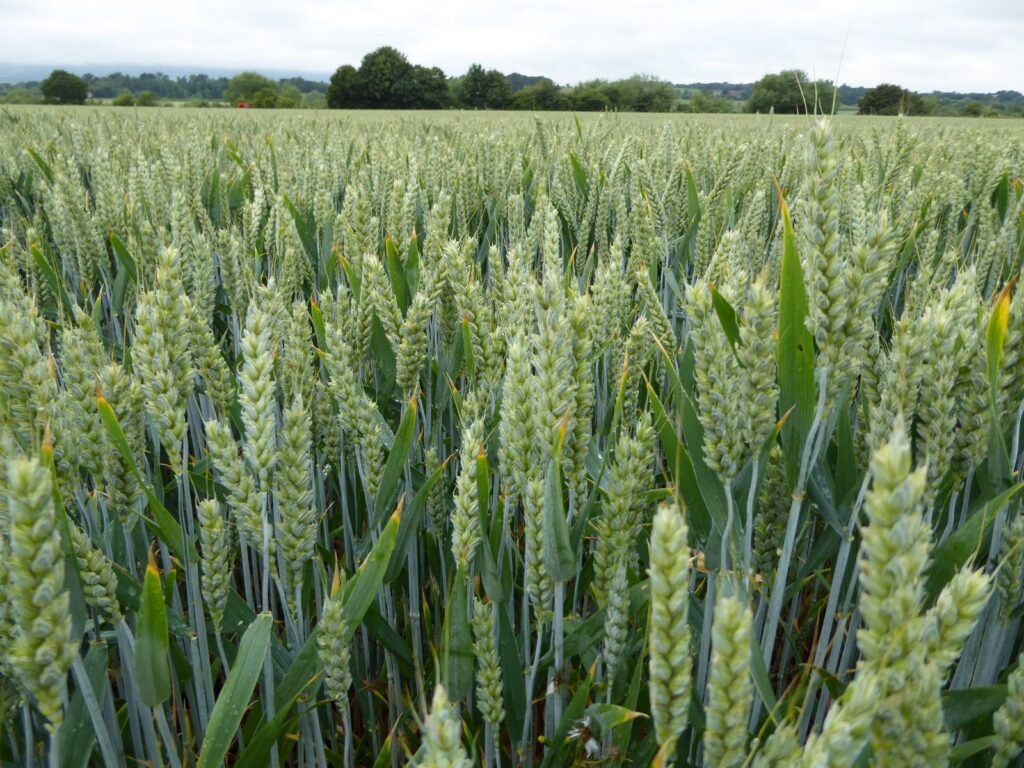
Beneath every crop lies a second, invisible farm. A single gram of healthy soil can hold billions of bacteria, kilometres of fungal threads and a bustling community of microbes wrapped around plant roots. Scientists have long suspected that this underground workforce helps plants survive stress, and recent research is turning suspicion into practice: specific microbial partners that help crops endure drought, with results now moving from glasshouse to field.
The stakes are hard to overstate. Drought is among the costliest climate shocks to agriculture, and breeding tougher varieties is slow work. Microbes offer a complementary lever, one that works with the varieties farmers already grow. The broader food-and-climate conversation on our homepage keeps returning to this theme: the fastest climate adaptations may come from biology we already have, understood better.
How Microbes Help Plants Endure Dry Spells
The mechanisms are varied and increasingly well mapped. Mycorrhizal fungi extend thread-like hyphae far beyond the root zone, effectively enlarging the plant’s water and nutrient reach. Some bacteria produce compounds that help roots grow deeper or trigger the plant’s own stress responses earlier. Others form protective biofilms around roots, slowing moisture loss from the soil immediately around them. None of this is magic; it is the plant-microbe partnership that evolved over hundreds of millions of years, now characterised with DNA sequencing.
Field trials, reviewed across journals including Nature, report yield protection in dry years that farmers can measure, though effects vary with soil type, crop and weather. That variability is the science’s honest centre: a microbial product that transforms a wheat field in one region may do little in another with different soils and native microbes. Researchers stress that inoculants are not fertiliser; they are living introductions into a living system, and context decides.
From Lab Cultures to Farm Products
Commercialisation is racing ahead of certainty, as it usually does. Shelves now carry microbial seed coatings, soil drenches and biostimulants promising drought tolerance, and regulators are still calibrating how to evaluate living products that behave differently from chemicals. Agronomists advise farmers to treat the strongest claims sceptically, demand independent trial data on local soils, and remember that no microbe compensates for vanished organic matter or ruined soil structure.
The most durable gains may come from farming that feeds the microbes already present. Cover crops, reduced tillage, diverse rotations and careful water management all build the soil communities that help in dry years. The pieces in our blog section have covered regenerative practices in these terms: not as ideology but as infrastructure, the slow rebuilding of the soil’s capacity to hold water and life. Microbial products work best, researchers say, on farms already moving in that direction.
A Quieter Agricultural Revolution
There is something fitting about drought resilience coming from below. The green revolution lifted yields with seeds, fertiliser and irrigation; its limits, in water and soil health, are now visible. The microbial turn suggests the next gains come from understanding the crop as a community, plant plus partners, rather than a machine for turning inputs into grain. Public research agencies and agricultural extension services tracked by the BBC are investing accordingly.
For farmers facing drier seasons, the advice is pragmatic: build soil health as the foundation, trial microbial products with the scepticism they deserve, and keep records. The underground workforce has been on the job since before agriculture existed. Learning to work with it, rather than despite it, may be the most useful farm skill of the coming decades. That shift in mindset, from conquering soil to cooperating with it, may ultimately matter as much as any single product that reaches the market.
