
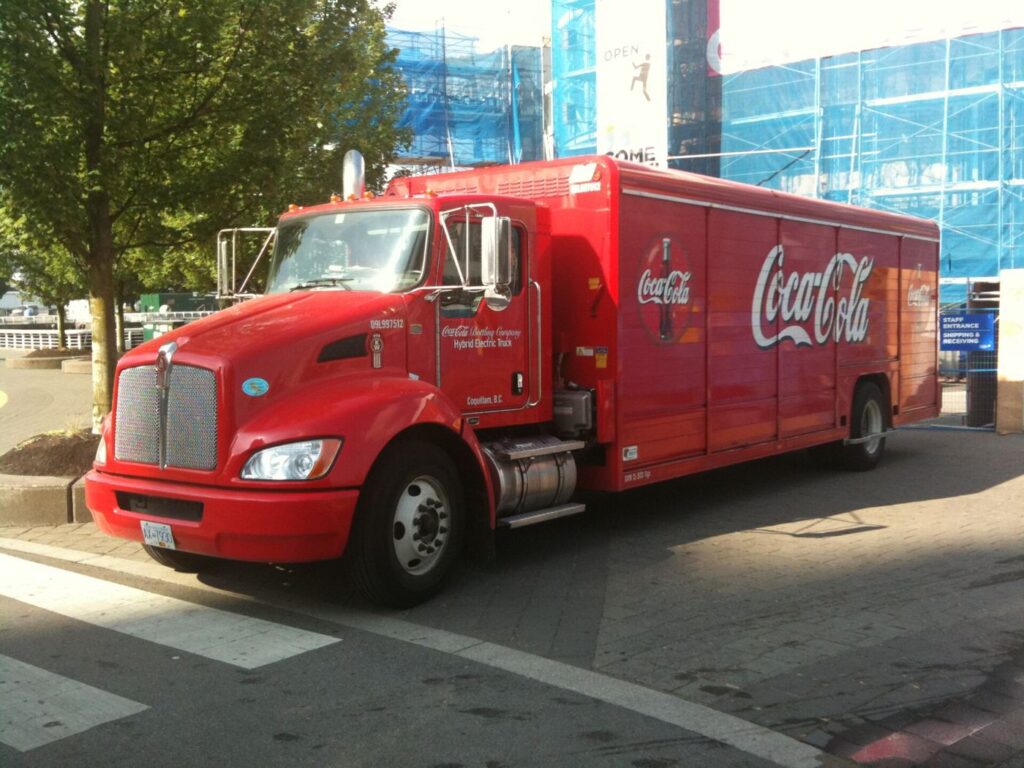
Amazon is set to deploy more than 3,000 electric delivery trucks across India in one of the largest electric truck orders in the country. Indian carmaker Tata Motors announced the deal on 6 November 2026, saying the trucks will move goods between Amazon’s warehouses and along India’s national freight corridors. The truck is a version of the Tata Ultra E.7, a 7.5-tonne vehicle powered by a 240 kilowatt electric motor drawing on a 96 kilowatt-hour battery pack. The deal is backed by the Indian government’s PM E-DRIVE programme, which supports the switch to electric vehicles. For Amazon, which runs one of the world’s largest delivery fleets, the order is a step towards cutting the emissions of its transport network in one of its fastest-growing markets, where road freight is a major source of air pollution in its biggest cities.
What the Evidence Shows
Electric trucks make particular sense for delivery work, where vehicles run fixed routes and return to a depot each night to charge. The Tata Ultra E.7 is a medium-duty truck, sized for moving goods between warehouses and distribution centres rather than long-haul journeys across the country. The challenge for India is charging: depots need enough power and chargers to keep thousands of trucks running, and the grid must cope with the extra demand. Tata Motors says the collaboration shows what the transition looks like in practice, with steady demand from a nationwide logistics network met by trucks built in India. If the deployment works, it could become a template for electrifying delivery fleets in other fast-growing markets, where trucks are among the hardest and most polluting vehicles in the world to clean up. Reporting and analysis from sources such as Wired track the same developments, and specialists following Amazon’s electric trucks in India say the direction is now consistent across independent lines of evidence.
The Wider Context
The wider context is an industry learning to ship capability and restraint together. Products built around Amazon’s electric trucks in India now launch with safety evaluations, usage data and rollback plans as standard, because enterprise buyers and regulators ask for them in the first meeting. Companies that treated those questions as friction are discovering they have become the purchase criteria.
What Happens Next
What happens next for Amazon’s electric trucks in India depends less on another breakthrough than on the unglamorous work of reliability, pricing and support. The buyers evaluating it now are not enthusiasts; they are operators with budgets and auditors, and their checklists will decide the timeline. On the evidence of the current pilots, the technology has earned the right to be judged by them. You can follow related developments in our coverage of technology.
None of this will be settled by a single announcement, study or product launch. The pattern to watch is accumulation: independent confirmations, honest reporting of failures and steady improvement in the underlying numbers. Readers who follow those signals, rather than the loudest claim of the week, will understand this subject better than most of the commentary surrounding it suggests is possible.
