
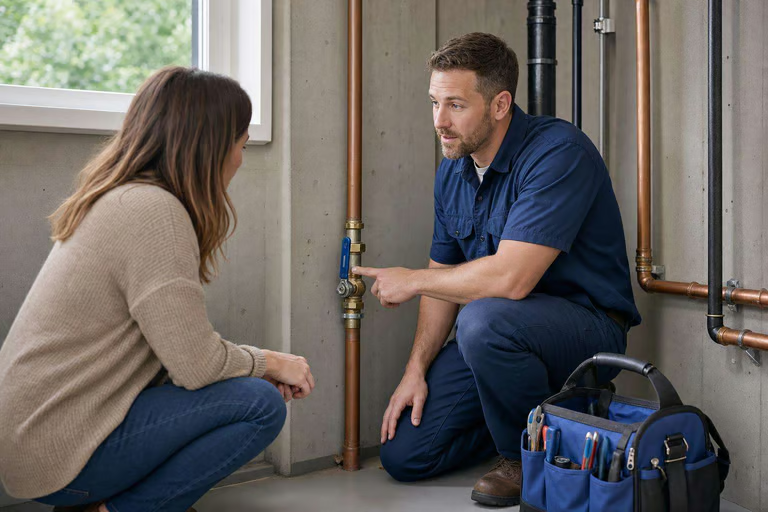
In Portland, where sustainability is not just a buzzword but a lifestyle, managing water efficiently at home is a key component of eco-friendly living. Portland homeowners increasingly seek ways to reduce water waste, conserve resources, and lower their utility bills. This guide provides practical insights into sustainable home water management, featuring tips from a trusted Portland Plumber. We will explore sustainable plumbing practices, eco-friendly water heating solutions, rainwater harvesting techniques, and the selection of water-saving fixtures to help you create a greener home environment.
Sustainable Plumbing Practices for Portland Homes

For Portland residents, adopting sustainable plumbing practices begins with regular Portland Plumber inspections to identify leaks and inefficiencies. A proactive approach to plumbing maintenance can significantly reduce water waste. For instance, installing a dual-flush toilet system, which uses two different flush volumes, can reduce water usage by up to 67% compared to traditional models (Source: EPA, 2023). Furthermore, using an appliance recycling program for outdated water heaters is an effective way to dispose of inefficiencies while embracing newer, more efficient models.
Incorporating Universal Design Principles in plumbing ensures accessibility and usability for all family members while promoting sustainability. These principles advocate for user-friendly fixtures that conserve water without compromising functionality. By focusing on such inclusive designs, homeowners can ensure their plumbing systems are both eco-friendly and accommodating.
Eco-Friendly Water Heating Solutions
Water heating accounts for a significant portion of household energy consumption, making it a prime target for efficiency improvements. Tankless water heaters, also known as on-demand systems, provide hot water only as needed, reducing energy waste. These systems can lower energy usage by 24-34% compared to traditional storage tank heaters (Source: U.S. Department of Energy, 2023).
In addition to tankless systems, solar water heating is another eco-friendly option, leveraging Portland’s sunny days to heat water with minimal environmental impact. Integrating Smart Home Integration technologies can further enhance system efficiency by allowing homeowners to monitor and adjust water heating settings remotely, ensuring optimal performance and energy savings.
Rainwater Harvesting Techniques for Efficient Use
Rainwater harvesting is an effective way to supplement household water needs and reduce reliance on municipal supplies. By collecting rainwater from rooftops and storing it in tanks or barrels, Portland homeowners can efficiently use this resource for irrigation, toilet flushing, and even laundry.
Implementing systems with Gutter Guard Installation ensures that collected rainwater remains clean and free from debris. These guards prevent leaves and other contaminants from entering the water collection system, maintaining water quality and reducing maintenance efforts. Moreover, incorporating a rainwater filtration system can further purify the collected water, making it suitable for a wider range of uses.
Choosing Water-Saving Fixtures and Appliances
Investing in water-saving fixtures and appliances is a straightforward way to enhance home sustainability. Low-flow showerheads and faucets, for example, can reduce water usage by 25-60% without impacting performance (Source: Alliance for Water Efficiency, 2023). Similarly, front-loading washing machines use approximately 50% less water than their top-loading counterparts, offering significant savings over time.
When selecting these fixtures, consider those that align with Universal Design Principles to ensure they meet the needs of all household members. Furthermore, opting for appliances with built-in Eco-Friendly Pest Management features can contribute to a healthier home environment by reducing harsh chemical use.
Conclusion

Effective water management in Portland homes is about making informed choices that balance sustainability with practicality. Adopting sustainable plumbing practices, exploring eco-friendly heating solutions, implementing rainwater harvesting, and choosing water-saving fixtures are all steps that can lead to significant environmental and financial benefits. By integrating these strategies, homeowners can contribute to a more sustainable future while enhancing their quality of living.
