
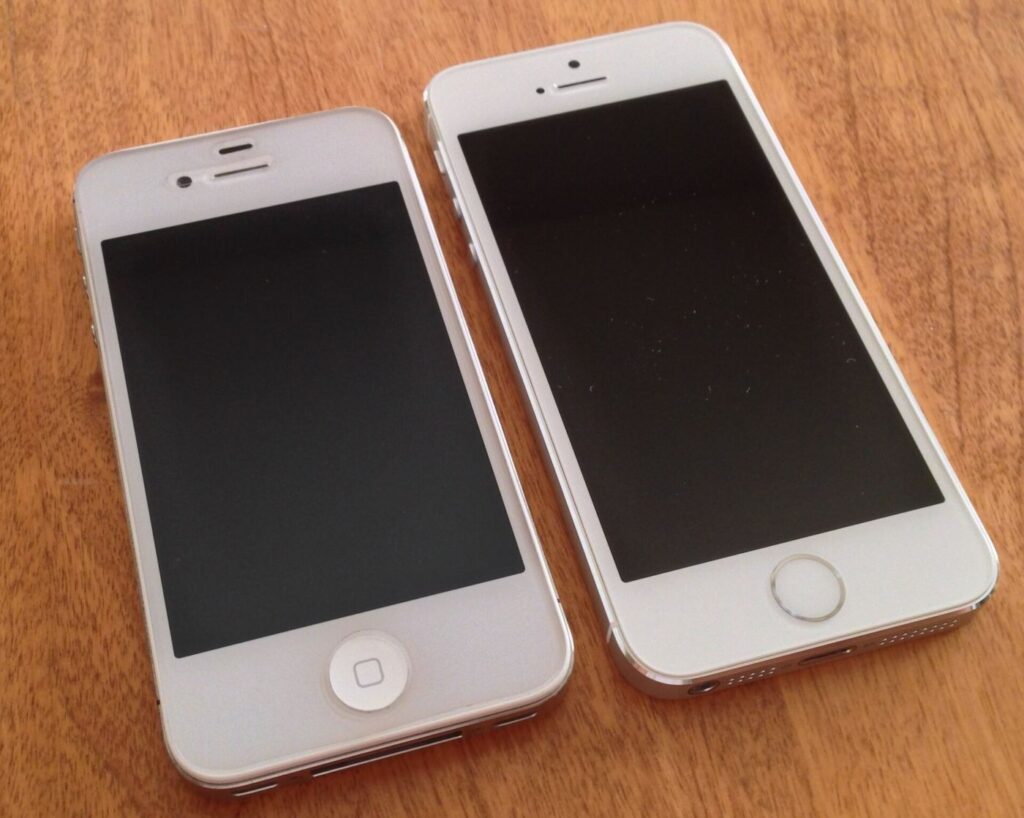
Apple has started testing iOS 27.3, the biggest update to iOS 27 since the system launched in September 2026. The first beta arrived in early November 2026, with a public release expected in December. The update brings Safari tweaks including a new Vertical Tabs layout option and an Adaptive Dark Mode feature for websites that do not offer their own dark mode. It also adds Siri AI improvements and expands the iPhone Duo StandBy features to other iPhone models. The revamped Health app, which appeared in the 27.2 beta for testing but was removed before the public release, has returned in 27.3 and is expected to launch publicly before the end of the year. The update follows a busy November for Apple, with five new products launched on 6 November and two more on 13 November.
What the Evidence Shows
The beta also arrives as Apple deals with a hardware problem on its foldable iPhone Duo, whose inner display has been cracking for some owners. Apple sent guidance to its stores and authorised service providers last week on how to diagnose and repair the issue. The company’s chief executive has said Apple cannot yet predict when it will meet demand for the foldable iPhone, after changing its original plan to launch the device in November in just two countries. For most iPhone owners, though, 27.3 is about everyday improvements: a browser that fits more tabs on screen, websites that respect dark mode, and a Health app that Apple has been rebuilding for months. The beta will grow through several test versions before the public release in December. Reporting and analysis from sources such as Wired track the same developments, and specialists following iOS 27.3 say the direction is now consistent across independent lines of evidence.
The Wider Context
The wider context is an industry learning to ship capability and restraint together. Products built around iOS 27.3 now launch with safety evaluations, usage data and rollback plans as standard, because enterprise buyers and regulators ask for them in the first meeting. Companies that treated those questions as friction are discovering they have become the purchase criteria.
What Happens Next
What happens next for iOS 27.3 depends less on another breakthrough than on the unglamorous work of reliability, pricing and support. The buyers evaluating it now are not enthusiasts; they are operators with budgets and auditors, and their checklists will decide the timeline. On the evidence of the current pilots, the technology has earned the right to be judged by them. You can follow related developments in our coverage of technology.
None of this will be settled by a single announcement, study or product launch. The pattern to watch is accumulation: independent confirmations, honest reporting of failures and steady improvement in the underlying numbers. Readers who follow those signals, rather than the loudest claim of the week, will understand this subject better than most of the commentary surrounding it suggests is possible.
