
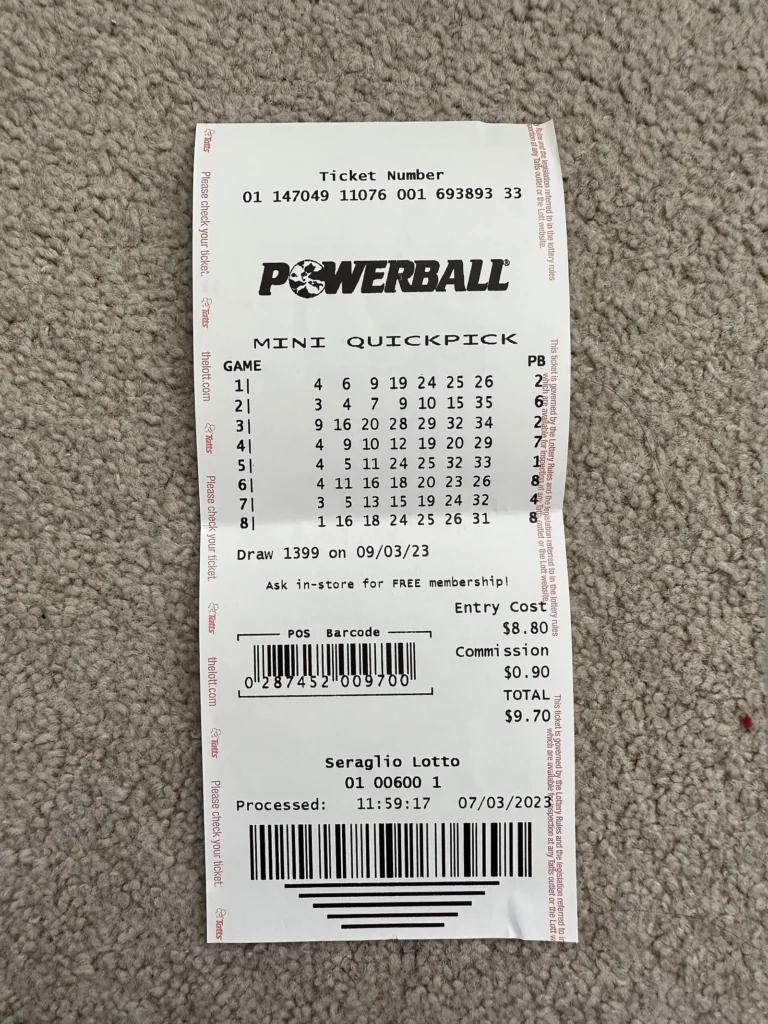
A $562 million Powerball jackpot sounds like a single event. Financially, it is two decisions wearing a party hat. The first — annuity or lump sum — determines the shape of the money. The second, made mostly by the tax code on the winner’s behalf, determines how much of it survives contact with federal and state withholding. Our blog team lays out the choice the way an adviser would: slowly, and with the tax bill in the room from the start.
What the two options actually are
The advertised jackpot is the annuity: thirty payments over twenty-nine years, each larger than the last, funded by the lottery investing the prize pool. The lump sum is the pool itself — the cash actually available today — which is why it is always much smaller than the headline. Neither is a trick; they are the same prize expressed in different time shapes, as the official rules at Powerball set out. The question is which shape suits a particular winner’s life, discipline and tax picture.
How tax treats each shape
Tax is where the shapes diverge. A lump sum is taxed as income in a single year — essentially all of it in the top federal bracket, with mandatory withholding at payment that still understates the final bill. The winner must reserve for the balance due at filing, a discipline the IRS guidance on gambling winnings makes unavoidable: winnings are taxable, full stop.
Annuity payments spread the income across thirty tax years. Each annual instalment is still taxed, and mostly at high rates, but the spreading can soften bracket effects, future tax-law changes cut both ways, and — the underappreciated benefit — the structure rations the winner’s access to their own fortune. State tax overlays both shapes identically in principle, though rates vary enormously by where the ticket was sold.
The arguments each camp makes
Lump-sum advocates argue control and arithmetic: money today, professionally invested, can outgrow the annuity’s built-in return, and the winner is not exposed to three decades of policy or personal change. They add that most winners have neither the patience nor the advisory team the argument assumes — which is why the same camp usually insists on both the lump sum and a fortress of professional structure around it.
Annuity advocates argue behaviour. The documented history of jackpot winners includes fortunes dissipated with astonishing speed; an annuity is a pre-commitment against one’s own worst year. It also converts the win into something resembling a salary for life — boring, predictable, and very hard to lose in a single bad decision or a single persuasive relative.
A worked way to think about it
Advisers often reduce the choice to three questions. First, liquidity: does the winner’s life contain obligations — debts, care, a business — that genuinely require capital now, or is ‘now’ simply excitement wearing a spreadsheet? Second, temperament, asked honestly: what has this person done with every previous windfall, bonus or inheritance? Third, structure: whichever shape is chosen, are the guardrails — trusts, spending rules, a cooling-off period, professionals with fiduciary duties — in place before the money lands? Winners who answer those three questions in writing, with the after-tax numbers in front of them, rarely regret the shape they pick. Winners who decide by headline arithmetic often regret both shapes. The choice defines the fortune because it is, at bottom, a choice about the winner’s future self — and whether that self can be trusted with everything at once.
The decision underneath the decision
Advisers who have shepherded real winners tend to reframe the question. The choice is less about maximising a number than about matching the money to the human: age, health, family complexity, financial literacy and the winner’s honest relationship with spending. A disciplined fifty-year-old with strong advice and a lump sum is a different case from a overwhelmed twenty-five-year-old being advised by cousins.
Either way, the after-tax figure — not the billboard figure — is the one to plan a life around. Winners who internalise that on day one, reserve the tax money before touching the rest, and let the annuity-versus-cash question be answered by their circumstances rather than by excitement, are the ones whose jackpots still look like jackpots a decade later. The draw chooses the winner. The tax code and one big decision choose the fortune.
