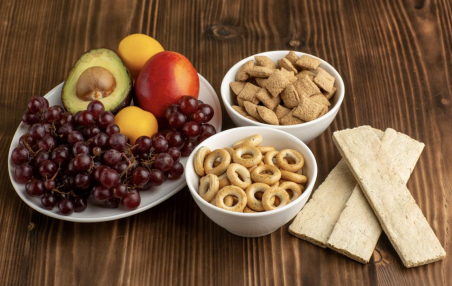
Snacking often gets a bad reputation, but it is usually the choice of food—not the habit itself—that causes the issue. A biscuit here or a packet there can quickly add up without much thought.
When approached more intentionally, small bites between meals can actually be helpful. They support steadier energy levels, prevent extreme hunger, and make it easier to manage balanced portions later in the day. In that sense, healthy snacks feel less like a setback and more like quiet support in a daily routine.
How Snacking Can Be Good?
Days do not always run on schedule. Meetings stretch. Travel takes longer. Meals get pushed. Hunger builds quietly. When that happens, portion control slips. A small snack in between changes that. It takes the edge off without feeling heavy. It also helps include foods that are often missed, such as:
● Fruit
● Dairy
● Nuts
● Fiber-rich options
Over time, this aids in achieving a balanced intake.
What Actually Works in a Snack
A snack should not feel like empty eating. It should hold you for a while. This usually comes down to a simple mix: protein, fiber, and a bit of fat.
This does not need effort. Even basic combinations can work well:
● protein for satiety
● fiber for slow digestion
● fats for lasting energy
When these snack recipes come together, hunger stays controlled. Energy does not spike and crash.
Simple Snacks That Feel Enough
Some options work quietly. They do not feel heavy, but keep you going. ● Greek yoghurt with berries is one of the easiest choices. It is light but filling, and the natural sweetness helps.
● Cottage cheese with fruits or vegetables offers something similar, with a slightly richer texture
● Roasted soybeans bring crunch along with plant-based protein ● Mixed nuts are another reliable option. They are dense. So, even a small portion feels satisfying.
These choices suit long afternoons. So, when meals are apart, these guilt-free snacks can fill you up.
Crunch Without the Usual Heaviness
Cravings never always stem from hunger. Texture plays a role.
For instance, crunchy foods, like chips, feel satisfying. So, they are often over consumed.
Better alternatives can replace that habit without adding excess oil:
● Air-popped popcorn feels light and fills a bowl easily
● Kale chips offer crispness with added nutrients
● Fox nuts have a roasted, airy bite
● Roasted chickpeas bring a deeper crunch and more flavor
These options keep the experience intact, but feel lighter afterward. Tackling Sweet Cravings
A craving for a dessert is typical of normal eating patterns. Avoiding them completely often leads to overcompensation later.
A better approach is to choose options that feel satisfying without excess sugar. For instance:
● Apple slices with nut butter work well here. They combine freshness with richness.
● Dates stuffed with nuts feel more indulgent, but still offer nutrients ● Greek yoghurt with berries is another great addition
● A small piece of dark chocolate can be another healthy, delectable inclusion Why Pairing Works Better
Sometimes a single snack does not feel complete. So, combining two or three options can help. It will improve both taste and satiety.
● Cottage cheese with fruits or vegetables: It creates contrast in flavor and texture.
● Mixed nuts paired with fruit: It gives quick and lasting energy.
● Roasted soybeans alongside fresh vegetables: It is a great pick for variety. This reduces the need to snack again too soon.
Keep Portions in Check
Even the right food can feel heavy in excess. A small portion is usually enough. A simple way to manage this:
● take a portion instead of eating from the pack
● eat slowly
● pause before going for more
Hydration matters too. Thirst is often mistaken for hunger, especially during busy days. Keep It Practical
Snacking should feel easy, not planned to perfection. Keeping a few basics ready makes a difference.
There is no need for strict rules. Just steady habits. Including healthy snacks throughout the day can support energy and improve focus.