Cooking feels easier when the tools match the task. The right pans improve heat control, reduce effort, and help food cook evenly. A poor choice does the opposite. It slows things down and affects taste. This guide keeps things practical. It focuses on daily cooking needs in UAE homes, where speed, heat, and convenience matter. Start With How Cooking Happens at Home
Every kitchen runs differently. Some meals are quick. Others take time. The type of food prepared each day should guide the choice of pans.
A shallow pan works better for sautéing. A deeper one suits gravies and simmering. Wide bases help with browning. Taller sides help with liquids.
Think of routine meals first. Then match each task to a pan. This avoids clutter and unnecessary spending.
Types of Pans and Their Purpose
Each pan shape has a clear role. Using the right one improves speed and results.
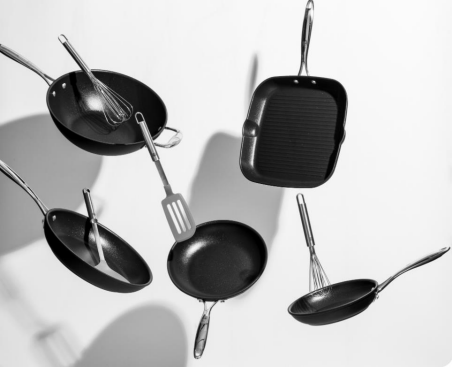
● Fry pan: Best for vegetables and quick frying
● Sauce pan: Suitable for boiling, reheating, and sauces
● Sauté pan: Works well for dishes with some liquid
● Grill pan: Designed for surface cooking and searing
● Wok: Ideal for stir-frying and high-heat cooking
● Deep pan: Used for frying and larger portions
● Flat pan: Essential for breads
Choosing based on usage keeps things simple and efficient.
Material Matters More Than It Seems
The material of pans affects heat, durability, and maintenance. It also decides how much attention cooking needs.
1. Stainless steel: Handles high heat well. It lasts long. It may need practice to avoid sticking.
2. Aluminum: Heats quickly. It feels lighter. Coated versions are easier to clean. 3. Ceramic-coated: Allow low-oil cooking. It needs controlled heat to last longer. 4. Cast iron: Holds heat for a long time. It gives strong browning. It feels heavy and needs care.
Each material has a purpose. The choice depends on cooking style and comfort. Features That Actually Help
Good features reduce effort. They should not complicate daily use.
● Thick base for even heat
● Strong handle for safe grip
● Smooth surface for easy cleaning
● Coating that resists scratches
● Lid that fits well for covered cooking
● Base suitable for different cooktops
A simple build often performs better than complex designs.
Picking the Right Size
Size affects cooking and convenience. Too small leads to crowding. Too large wastes heat.
● 20–22 cm: Works for single portions
● 24–26 cm: Suitable for small families
● 28–30 cm: Better for larger meals
A medium-sized fry pan usually covers most daily needs.
Budget vs Long-Term Value
Price matters, but build matters more. A cheaper pan may not last. A higher price only makes sense when quality improves. Entry-level options suit light use. Mid-range pans handle daily cooking better. Higher-end choices often bring thicker bases and stronger construction. Focus on durability rather than just cost.
Induction and Cooktop Compatibility
Not all pans work on every stove. Induction cooktops need a magnetic base. Gas works with most materials. So, always check the base design. A flat bottom improves contact and stability.
Care Decides Lifespan
Even the best pans fail without proper care. Small habits make a difference.
● Avoid heating empty pans
● Use medium heat for coated surfaces
● Clean with soft scrubbers
● Store carefully to prevent scratches
Cast iron needs seasoning. Non-stick needs gentle handling. Stainless steel needs correct heating.
Why the Right Pan Changes Cooking
Using the correct pan improves consistency. Heat spreads evenly. Food cooks properly. Safety improves as well.
Non-stick works well for delicate items. Stainless steel suits searing. Cast iron delivers deep flavor.
The right match between pan and task improves texture and taste.
Final Thoughts
Choosing pans is not about owning many. It is about owning the right ones. Focus on material, size, and daily use. Avoid impulse buying.
A few well-chosen pans can handle most meals. Take time to compare options. The right decision will make cooking smoother every day.